



After a few years of that, one thing keeps coming back: transformer problems that look like electrical failures usually start as heat problems.
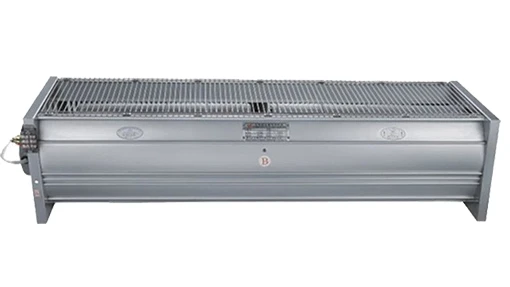
Perigon builds temperature controllers and crossflow cooling fans for dry-type transformers. This isn't a spec sheet. It's an explanation of why these machines run hot, how the cooling loop works, and where most of the trouble comes from.
Why dry-type transformers are sensitive to heat
A working transformer makes heat. The core and the windings both do it, and that heat has to go somewhere.
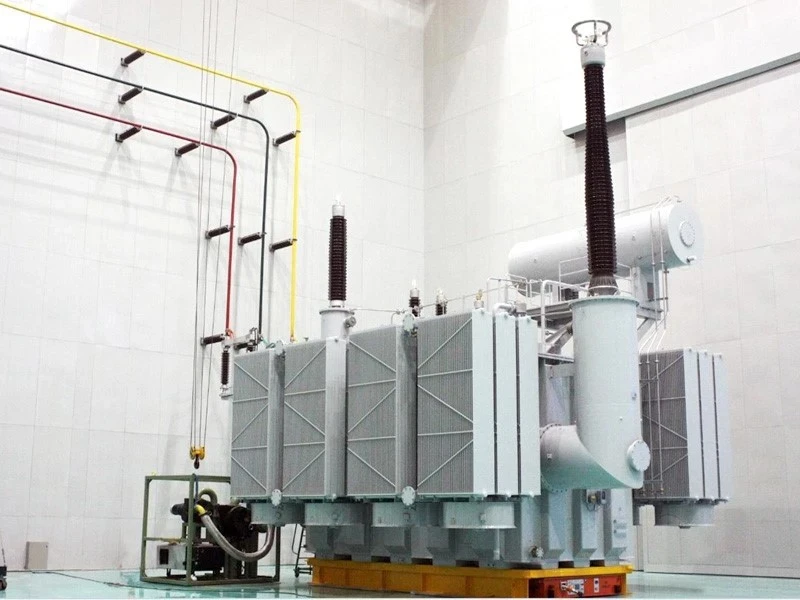
Oil-filled units have it easy: the oil carries heat away from the windings. Dry-type transformers don't have that. They depend on air, and air is a poor heat carrier. In a sealed switchgear room or a basement with no real ventilation, heat just accumulates.
What happens next is predictable. Sustained high temperature ages the insulation faster. Push past the limit and you get thermal breakdown, which tends to arrive without much warning. So for a dry-type transformer, the useful question isn't "is it running." It's "how hot is it running, and for how long."
Insulation class sets the ceiling. Class F is generally rated near 155 °C, Class H around 180 °C. Those numbers aren't decoration. Go above them for long enough and you are spending the transformer's service life.
Two parts that only work as a pair
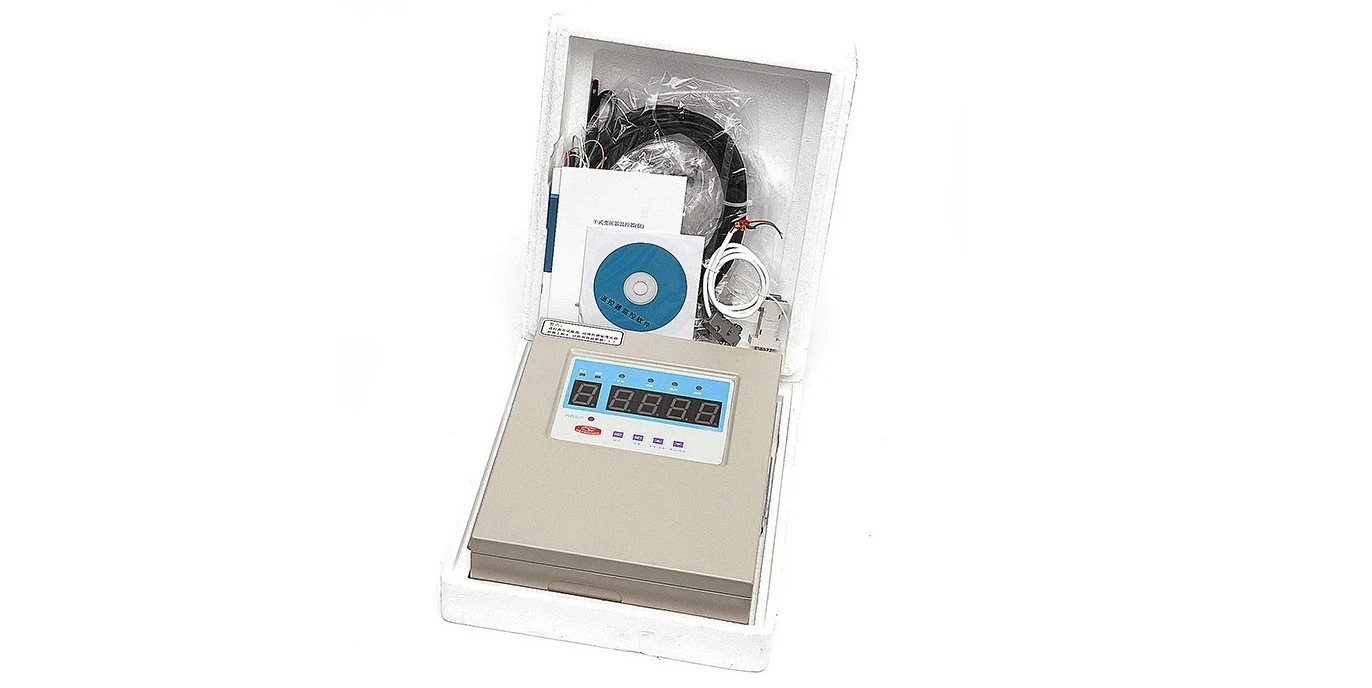
Our setup is two pieces, and splitting them defeats the purpose.
Together they make a loop that responds to actual temperature: run when hot, stop when cool.
What we actually pay attention to
Past the principle, here's where we've put the effort.
The controllers are digital (the BWDK family). Readings are stable and the switching is clean, so you don't get fans cycling on and off around a setpoint.
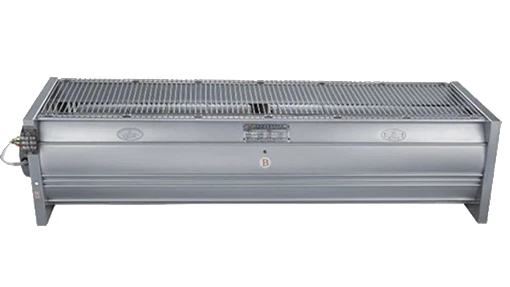
The fans use EC motors. More efficient than shaded-pole, quieter, and they hold up over long runs.
Safety is built to UL 61010-1. This matters more than people expect. If your project needs a compliance certificate and the fan can't produce one, the whole delivery stalls.
RS485 / Modbus is available, so temperature and fan status can go to a backend system. Nobody has to walk to the room to check.
The payoff runs in two directions, and it's the same mechanism both times. Running fans only when needed cuts electricity. Keeping temperature in range slows insulation aging, so the transformer lasts longer.
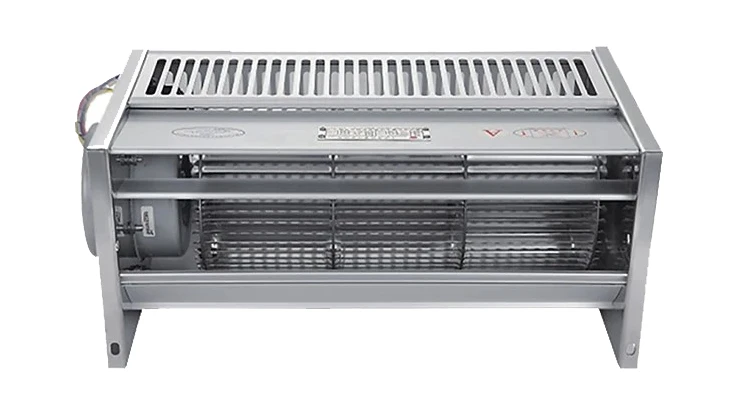
Inside the fan: a long cylindrical impeller, an EC or shaded-pole motor, a guard, and the scroll housing. Nothing exotic. The EC motor is what lets it move the required air while keeping both noise and power draw down.
Where it ends up
Not a lab product. It goes into:
Distribution rooms in residential blocks, malls, and industrial parks
Hospitals, metro systems, airports, where downtime is expensive
Factory floor distribution
Solar, wind, and storage sites
EV charging and data centers, which generate serious heat
The common thread is places that are enclosed, run heavy loads, and can't be switched off. In those conditions, temperature control and cooling aren't optional accessories. They're what stands between you and an unplanned outage.
What we're watching
A few things we're paying attention to:
Smarter monitoring
Not just reading temperature, but estimating remaining insulation life.
Quieter, more efficient fans
Noise complaints are a real constraint in residential installations, and I've had more than one project reshaped by a decibel limit.
Compliance
Standards keep tightening, and sorting it out early costs less than retrofitting later.
Digital twins
Mirroring the running state in software to catch problems before they become failures. Though to be honest, most customers I talk to are still trying to get basic RS485 monitoring working first.
About Perigon, and how to reach us
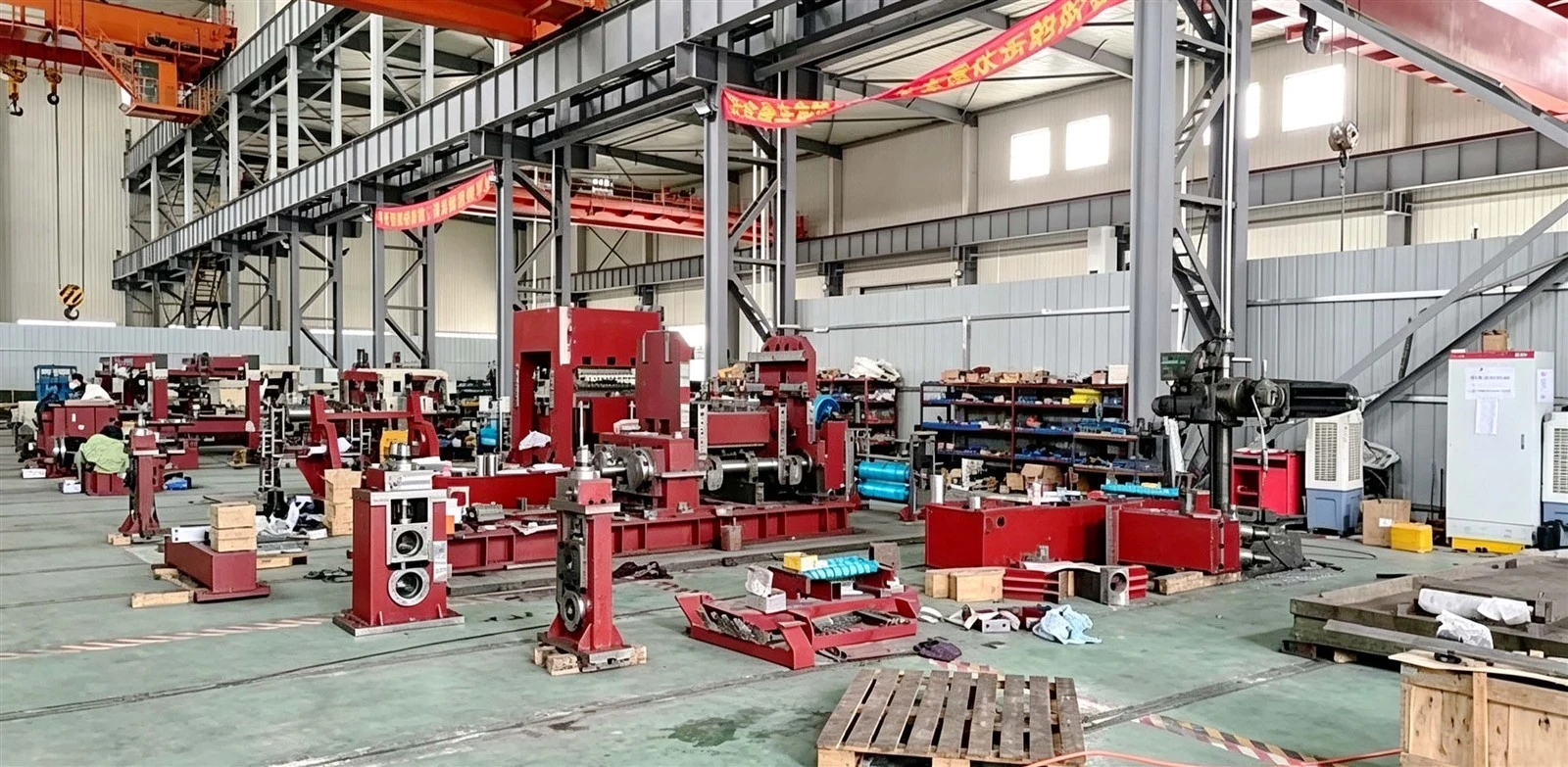
I'm YOUNG, and the above is what I've picked up working with customers and on the floor. Perigon Intelligent (Shanghai) Limited is at 9 Jianding Road, Fengjing Town, Jinshan, Shanghai. We are a China-based manufacturer of transformer temperature controllers and cooling fans, and we supply both as a matched set.
If you're comparing cooling options, or putting together a temperature control package for a dry-type transformer, the product pages are here:


For a quote or to talk through a specific application, send us the details on our Contact Us page: