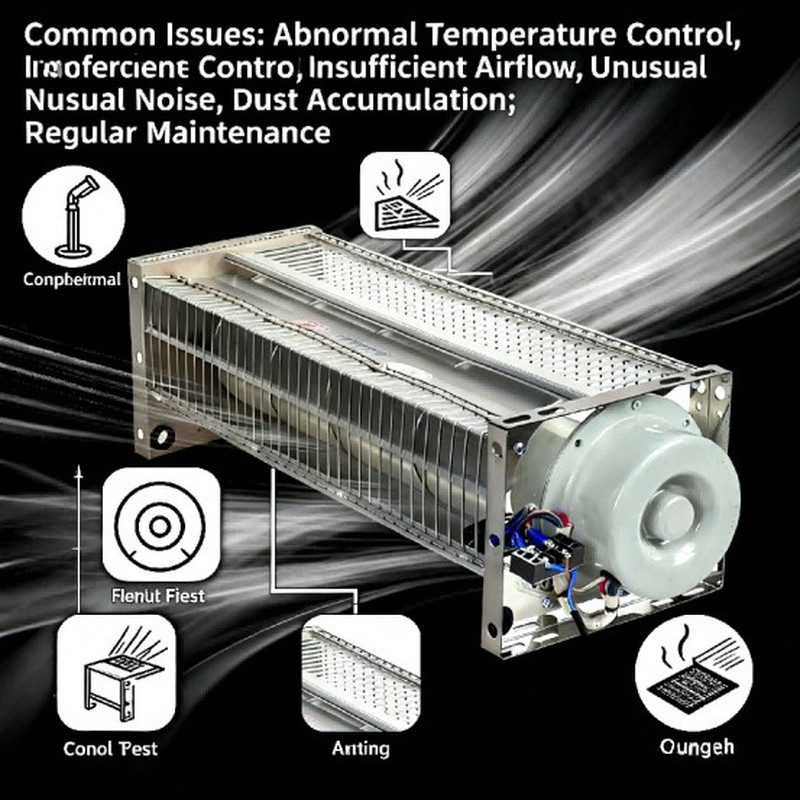

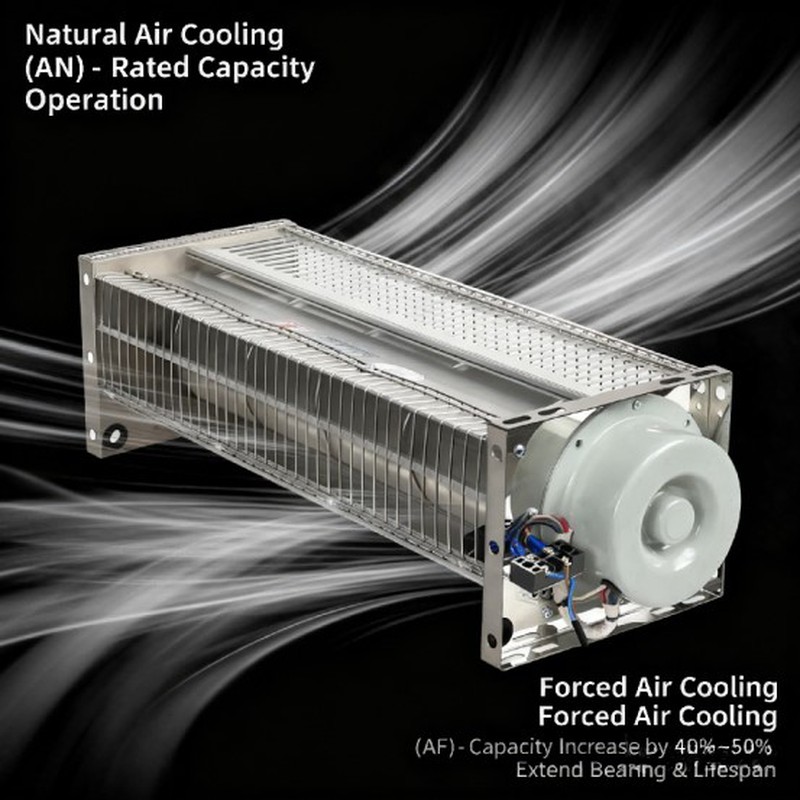
1.Comparison and Selection Guide of AN/AF Cooling Modes for Dry-Type Transformers. Dry-type transformers mainly adopt two cooling modes: Natural Air Cooling (AN) and Forced Air Cooling (AF). Under the AN mode, the transformer can operate continuously for a long time at its rated capacity. In contrast, the AF mode can increase the transformer's output capacity by 40%~50%, effectively improving the load-bearing capacity of the dry-type transformer and extending its service life. This news is positioned as popular science and selection guidance, providing professional reference for design institutes, complete set factories and Party A in the selection of transformer cooling modes.
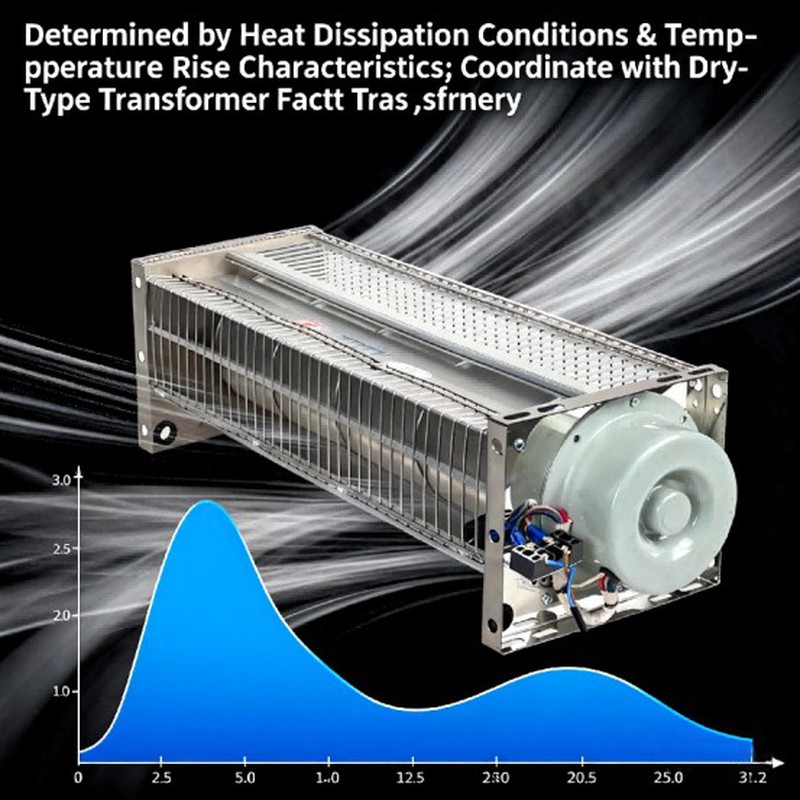
2.When is Forced Air Cooling Necessary? Heat Dissipation Conditions and Temperature Rise Judgment Method. The adoption of forced air cooling (AF) mode mainly depends on the heat dissipation conditions and temperature rise characteristics of the transformer. It is recommended that after the Party A selects the transformer product, cooperate with the dry-type transformer manufacturer to confirm whether the product can ensure that the transformer's temperature rise is within a reasonable range under the natural air cooling mode. If the temperature rise requirement cannot be met, the forced air cooling mode must be adopted to ensure the stable operation of the transformer.
3.Installation Position and Airflow Organization Specification of Cooling Fans on Dry-Type Transformers. As a key component of the forced air cooling system, the cooling fan is installed on both sides of the lower part of the transformer winding. The cooling air is blown into the high-voltage and low-voltage cooling air ducts of the transformer through the top side of the fan, which can effectively improve the uniformity of heat dissipation, ensure that each part of the winding is evenly cooled, and avoid local overheating. This news focuses on product technology popularization, fully reflecting the professional strength of our company in the field of transformer cooling fans.

4.Temperature Controller and Fan Control Logic: 80℃/100℃/130℃/150℃ Threshold Setting. The start-stop control of the dry-type transformer cooling fan, as well as the over-temperature alarm and over-temperature trip protection functions, are all realized by the supporting temperature control device. The standard temperature threshold setting is as follows: the fan stops running when the temperature is below 80℃, starts working when the temperature reaches 100℃, triggers an over-temperature alarm when the temperature rises to 130℃, and executes an over-temperature trip when the temperature reaches 150℃. This article is a technical specification, which is especially suitable for electrical engineers to refer to in practical work.

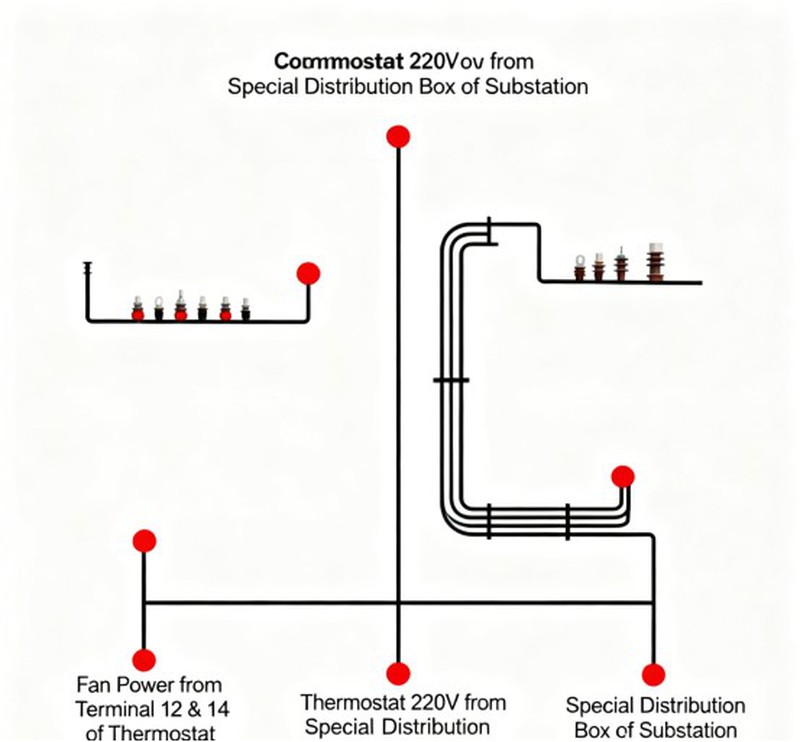
5.Power Supply Access and Wiring Points of Dry-Type Transformer Cooling Fans. The power supply of the cooling fan is taken from terminals 12 and 14 of the temperature controller, and the 220V power supply required for the normal operation of the temperature controller is led from the outgoing line circuit of the special distribution box in the substation. This news is an installation guidance type, focusing on the key points of power supply access and wiring of the cooling fan, providing practical operation reference for after-sales personnel and engineering and technical personnel, and helping to avoid installation errors.
6.Selection Comparison Table of Transformer Capacity → Fan Power/Quantity (Civil Building Version). For cooling fans matching dry-type transformers in civil buildings, the power range is usually 30~80W, and single-phase or three-phase power supply can be selected according to actual needs. Transformers with different capacities need to be equipped with cooling fans of corresponding quantities and powers to ensure optimal heat dissipation effect. This news is a practical selection tool, which accurately meets the high-frequency selection needs of customers in civil building projects.

7.How Forced Air Cooling Systems Extend the Service Life and Insulation Life of Dry-Type Transformers. The forced air cooling system can effectively stabilize and control the temperature of the transformer winding, slow down the aging speed of the winding insulation material, and reduce the hot spot temperature rise of the transformer. By maintaining the transformer in a stable and appropriate operating temperature range for a long time, it can significantly extend the overall service life and insulation life of the dry-type transformer, bringing long-term economic benefits to users. This news focuses on product value promotion and highlights the long-term gains brought by the cooling fan.

8.Daily Inspection and Fault Prevention of Cooling Fans: Ensuring Stable Operation of Transformers. Common faults of dry-type transformer cooling fans include temperature control abnormalities, insufficient air volume, abnormal noise and dust accumulation. Regular daily inspection and maintenance of cooling fans, such as cleaning dust, checking the operation status of temperature controllers and detecting air volume, can effectively prevent the occurrence of faults, avoid transformer over-temperature tripping caused by fan failure, and ensure the safe and stable operation of the entire power supply system. This news provides practical operation and maintenance knowledge, helping to enhance customer trust in our products.